Featured
Table of Contents
That liberates money in the short-term, and you might have 3 to four years to conserve towards the settlement quantity. Extremely harmful to credit history, primarily due to missed payments and a negative "resolved" mark that could remain on your credit rating record for up to 7 yearsMay be only alternative if other options (financial obligation consolidation, equilibrium transfer debt cards, debt forgiveness) aren't possibleTypically calls for a cost to the third party, which might counter some or every one of the savings from financial debt settlementMay aid you stay clear of bankruptcy if you've missed several paymentsNot all lenders collaborate with financial obligation negotiation companies Financial debt mercy might be appropriate for you if you are experiencing an economic difficulty that makes it virtually difficult to pay down your financial debt balances.

With a DMP, you make one monthly repayment to the debt counseling agency. Those funds are then dispersed to creditors of your unprotected debts, such as bank card and installment fundings. The agency works with your lenders to decrease rate of interest or waive fees, yet some financial institutions may decline such giving ins.
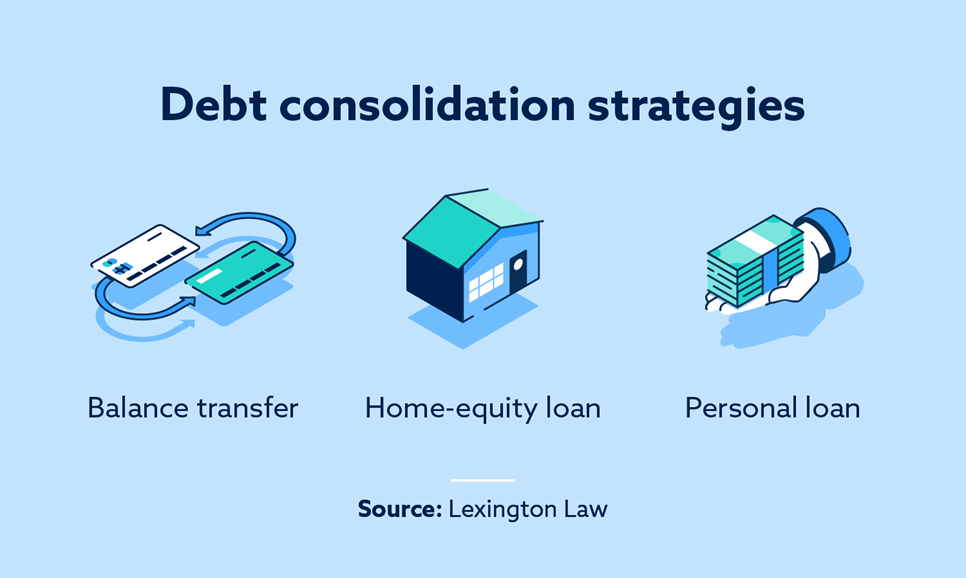
It can assist you pay down financial obligation if you're able to secure a funding price that's reduced than the typical rate of the accounts you're settling. You have to avoid from racking up debt on those recently removed accounts or your financial debt might expand also higher.
That provides you lots of time to remove or dramatically reduce your equilibrium while making interest-free repayments.
An Unbiased View of Understanding Multiple Debt Forgiveness Available Now
You might need it if your lender or a collection agency ever tries to gather on the financial obligation in the future. When a lender forgives $600 or more, they are needed to send you Form 1099-C.
Financial debt mercy or settlement often hurts your credit history. Anytime you work out a financial debt for less than you owe, it might look like "resolved" on your debt report and influence your credit report for seven years from the date of negotiation. Your credit history can additionally go down substantially in the months resulting in the mercy if you fall back on payments.
A Biased View of True Stories from Individuals Who Secured Peace of Mind
Tax debt compromise programs Tax financial debt happens when the amount of tax obligations you owe exceeds what you have actually paid. This scenario commonly results from underreporting earnings, not filing returns on time, or discrepancies discovered throughout an IRS audit. The repercussions of accumulating tax obligation debt are significant and can include tax obligation liens, which give the internal revenue service a lawful case to your property as safety for the financial obligation.
Wages and Bank Accounts IRS can impose (take) earnings and bank accounts to satisfy the financial debt. Building Seizure In severe instances, the IRS can seize and sell residential or commercial property to cover the financial obligation.
Anxiety, stress and anxiety, and other mental wellness issues. Social Preconception Facing lawful action from the IRS can lug social preconception. Damage to online reputation and partnerships. Work Opportunities An inadequate debt rating due to exhaust financial debt can limit employment possibility. Difficulty finding or keeping a work. Federal government Advantages Tax obligation financial debt may influence qualification for government advantages, such as Social Protection and Medicaid.
9 Simple Techniques For Understanding the Investment of Debt Forgiveness Programs
The OIC considers several elements, consisting of the taxpayer's income, expenditures, property equity, and ability to pay. Efficiently working out an OIC can be intricate, calling for a comprehensive understanding of the IRS's guidelines and a strong argument for why your deal lines up with your capability to pay. It is very important to keep in mind that not all applications are approved, and the procedure needs in-depth financial disclosure.
The internal revenue service analyzes your general economic situation, including your income, expenses, possession equity, and capability to pay. You must also be current with all filing and repayment demands and not be in an open insolvency proceeding. The internal revenue service also considers your compliance background, evaluating whether you have a document of prompt filing and paying tax obligations in previous years.
Practical Tips Following Debt Forgiveness Things To Know Before You Get This
The application process for a Deal in Compromise involves numerous in-depth actions. First, you should finish and submit internal revenue service Form 656, the Deal in Concession application, and Type 433-A (OIC), a collection details declaration for individuals. These forms require thorough financial information, consisting of details about your income, debts, expenditures, and possessions.
Back taxes, which are overdue taxes from previous years, can substantially increase your total IRS financial debt otherwise addressed promptly. This debt can accrue rate of interest and late payment penalties, making the original amount owed a lot larger with time. Failure to repay taxes can result in the IRS taking enforcement actions, such as releasing a tax lien or levy versus your residential property.
It is very important to attend to back tax obligations as quickly as possible, either by paying the complete amount owed or by organizing a layaway plan with the internal revenue service. By taking proactive steps, you can prevent the buildup of extra interest and fines, and protect against extra hostile collection activities by the IRS.
One usual factor is the idea that the taxpayer can pay the total either as a swelling sum or via a layaway plan. The IRS likewise considers the taxpayer's income, expenditures, asset equity, and future earning possibility. If these factors show that the taxpayer can manage to pay greater than the supplied quantity, the IRS is most likely to decline the deal.
Financial Impact What You'll Pay for Bankruptcy Counseling - Truths
It is critical to offer exact and total information in your application and to speak with a tax expert to boost the possibilities of approval. Handling internal revenue service financial debt can be intricate and daunting. Tax obligation specialists, such as Certified public accountants, tax lawyers, or enlisted representatives, can offer invaluable support. They have the proficiency to navigate the details of tax obligation legislation and IRS treatments.

Table of Contents
Latest Posts
The Greatest Guide To Is Job Loss and Debt: Building a 90-Day Survival Plan with a Counselor Make Sense for Your Case
How to Not Repeat the Same Mistakes After Debt Relief - An Overview
How Forms of Debt Settlement vs. Debt Management Plan: What’s Safer for Your Credit? You Should Know About can Save You Time, Stress, and Money.
More
Latest Posts
The Greatest Guide To Is Job Loss and Debt: Building a 90-Day Survival Plan with a Counselor Make Sense for Your Case
How to Not Repeat the Same Mistakes After Debt Relief - An Overview